Guest blog: Oh those (Moscow) summer nights!
Posted 16 August 2011
Our Hill & Knowlton colleague Michael Zdanowski is such a fan of our blog he asked if he could have a guest spot, so here goes:
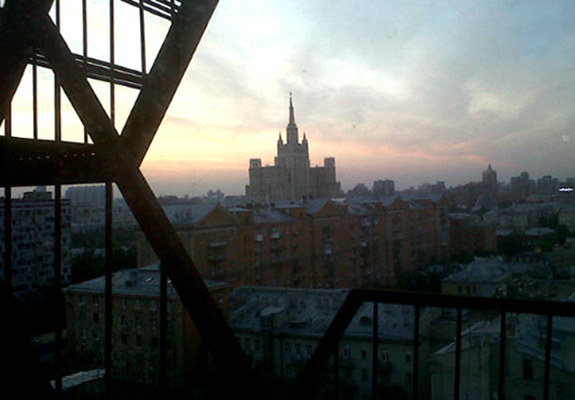
A two-week summer assignment working in Moscow might not sound like everyone’s cup of tea. Indeed, it brought the usual stereotypical comments of Russia from colleagues.‘Take your fur hat’ and ‘Watch out for the Russian mafia’ were among the comments I heard. Poor Russia! Wasn’t seventy years of Communism bad enough to put up with without constantly having to hear outdated and negative commentary?
Well, fur hats do still exist — though not in the summer where temperatures regularly hit +35 C in the capital. Though the mafia are still present, the chances of mass-scale public disorder a la London is unheard of (let’s not delve too deeply into the reasons why…).
Russian companies in numerous sectors, such as IT, Telecoms, Heavy Industry and Energy are becoming increasingly visible not just within Russia but globally. Moreover, the country is gearing up for two major sporting events this decade, namely the 2014 Sochi Olympics and the 2018 Football World Cup. Both events hope to transform Russia in much the same way as the Olympics changed Barcelona’s and Sydney’s fortunes. Russians have noted with interest how the 2010 World Cup transformed South Africa as a destination for business and tourists alike and huge investments in infrastructure are already being made.
Above all, Russia can be a fun place to live and work. Moscow is a colourful 24 hour city with the nightlife to match any other international capital in Europe or the US. The city’s restaurants offer a beguiling mixture of European, Asian (mostly Japanese), Italian but also the world's best Georgian and Uzbek cuisine. The light summer nights mean long evenings sat in outside cafes or taking walks in any number of Moscow’s green and pleasant parks.
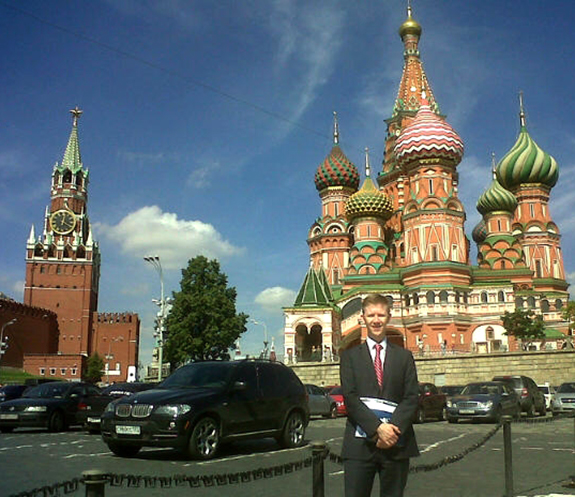
For the old stereotypes to go, Russia Plc., needs to deal with a number of key issues — the visa regime still makes it difficult for visitors to get into the country and the traffic in Moscow is horrendous. Some of these issues will take time to resolve. (Currently, there’s a really good piece running on the BBC website about where Moscow and Russia is twenty years after the failed coup. Steve Rosenberg’s report articulates neatly how the country has developed over the past two decades and focuses on the future challenges facing the country.)
For Moscow (and by implication the country) to be successful long-term the city will have to become an attractive environment which can attract the best talent in the world. But as you can tell, the summer is a good time to see the true colour of Russia.

 Daniel Holmes
 Nuria McGlinchey
 Michail Kowal
 Sophie Howard
 Karen Porter
 Libby McFadden
 Luke Ebbutt James
 Alison Yuill